Why Specialist Parts Matter More Than Ever
19 Jan 2026
Why Specialist Parts Matter More Than Ever (And Why Generic Just Doesn’t Cut It)
For anyone who spends time around cars, whether that’s in a workshop, a garage, a breaker yard, or simply scrolling late at night trying to find the right part, one thing has become increasingly clear: generic just doesn’t cut it anymore.
The way people buy, sell, and think about car parts has changed. Vehicles are more complex. Owners are more informed. Workshops are under more pressure to deliver results, not vague promises. And enthusiasts, especially, have little patience for guesswork.
Yet despite all of this, much of the aftermarket still relies on generalised listings, broad categories, and “one-size-fits-all” platforms that were never designed for specialist parts in the first place.
At ifndautoparts, this is something we see every day and it’s exactly why we believe specialist parts matter more now than they ever have before.
The Problem With “Generic” in the Modern Parts World
Generic marketplaces weren’t built with car people in mind. They were built for scale.
That works when you’re selling phone chargers or kitchen appliances. It works far less well when you’re dealing with mechanical components, vehicle generations, compatibility nuances, and parts that can quite literally change how a car drives, stops, or survives long-term.
In practice, “generic” usually means:
- Vague part descriptions
- Incomplete compatibility information
- Buyers forced to interpret risk themselves
- Sellers struggling to explain why a part matters
For workshops, this creates friction. For enthusiasts, it creates frustration. And for specialists the people who actually understand these parts, it often means their knowledge gets lost in a sea of irrelevant listings.
What We’re Seeing on the Ground From Real Industry Conversations
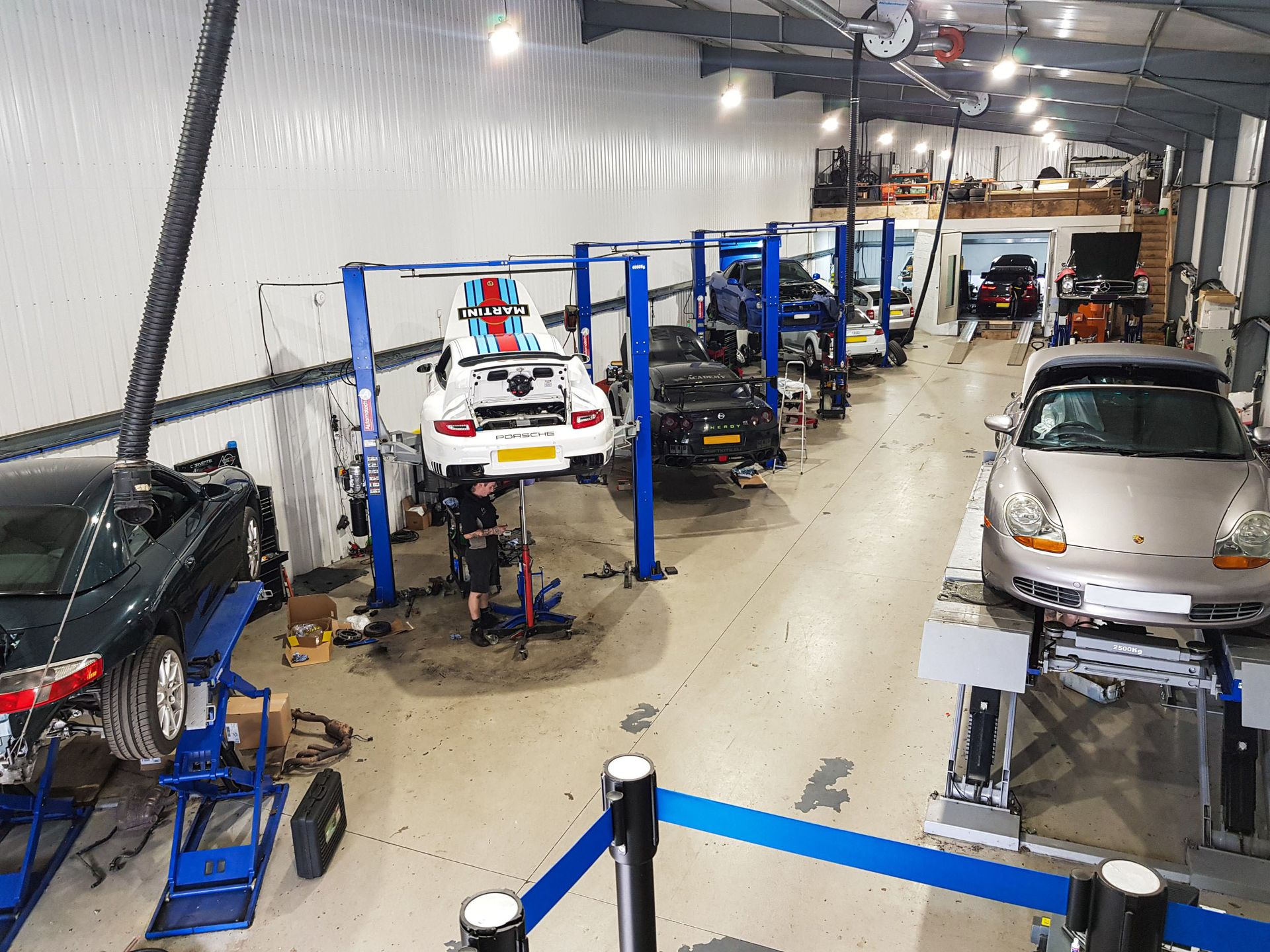
This shift became even clearer during recent conversations we’ve had with specialists and workshops across the UK automotive scene, including discussions with Classic Collective, a business deeply embedded in performance and enthusiast culture.
One insight stood out immediately:
Customers don’t respond to vague servicing or “general checks.”
They do respond to clear, specialist upgrades.
When a customer is told, “We’ll do a general service and inspection,” the value feels abstract. But when they’re told:
- These brakes will reduce fade and improve stopping confidence
- This suspension setup will transform how the car feels on B-roads
- This ignition or cooling upgrade solves a known reliability issue
…everything changes.
The conversation becomes tangible. The benefit is obvious. The decision becomes easier.
And crucially, these specialist parts are often easier to market, easier to explain, and more profitable long-term than broad, undefined work.
Specialist Parts Solve Real Problems - Not Just Checklists
One of the biggest misconceptions in the aftermarket is that specialist parts are “nice to haves” rather than necessities.
In reality, specialist parts often address specific, known weaknesses in vehicles - particularly older, enthusiast, or performance models.
Think about common scenarios:
A braking system that’s technically functional, but underwhelming for modern traffic.
A suspension setup that’s tired, vague, or no longer suited to how the car is actually driven.
A cooling system that works fine on paper, until it doesn’t - usually at the worst possible time.
These aren’t theoretical problems. They’re real, repeatable issues that specialists see daily. And the solutions are rarely generic.
This is why specialist parts aren’t just about performance - they’re about confidence, reliability, and longevity.
Why Enthusiasts Think Differently (And Why That Matters)
Enthusiasts don’t search the way casual buyers do.
They don’t type “car brake” and hope for the best. They search with intent. They search with context. And they often already know what they’re looking for, they just need help finding it.
That’s why specialist marketplaces matter.
A platform designed around automotive parts, not general retail, can reflect how enthusiasts actually think:
- By make, model, generation, and application
- By upgrade path, not just replacement
- By compatibility, not assumptions
This is one of the reasons ifndautoparts exists. We’re not trying to compete on volume. We’re building infrastructure that respects how car people actually buy and sell.
The Hidden Cost of Generic Marketplaces
Generic platforms don’t just make buying harder, they quietly erode value across the industry.
When specialist parts are buried under irrelevant listings, three things happen:
- Good parts don’t get seen
- Knowledge gets diluted
- Trust slowly disappears
For sellers, this often means racing to the bottom on price rather than being rewarded for expertise. For buyers, it means uncertainty and uncertainty kills confidence.
Over time, this discourages specialists from listing at all. And when specialists stop listing, everyone loses.
Why Automotive Parts Need Specialist Platforms
We’re very intentional about what ifndautoparts is not.
We’re not a general marketplace trying to retrofit automotive logic after the fact.
We’re not optimised for impulse buying or mass-produced goods.
And we’re not designed to flatten specialist knowledge into generic templates.
Instead, we’re building a platform that supports:
- Specialist sellers
- Informed buyers
- Clear expectations on both sides
That means no listing fees. Transparent pricing. Seller-controlled listings. And systems designed specifically around parts.
Specialist Parts Are Easier to Sell Than You Think
Another interesting insight from industry conversations is that specialist parts are often easier to sell than general ones, when they’re presented properly.
Why?
Because they have a clear purpose.
A suspension upgrade isn’t vague.
A brake kit solves a known limitation.
A cooling upgrade prevents a known failure point.
When a part has a clear reason to exist, it’s easier to explain, easier to justify, and easier for customers to commit to.
Generic servicing rarely has that clarity.
Where ifndautoparts Fits Into This Shift
Parts shouldn’t get lost just because they’re specialist.
We’ve spent years watching valuable parts sit unused in workshops, yards, and garages while buyers struggle to find them. We’ve seen breaker yards close, stock fragment across platforms, and specialist knowledge slowly disappear into inboxes and phone calls.
This platform exists to bridge that gap.
Not by replacing specialists, but by supporting them.
Not by chasing volume, but by prioritising relevance.
Why This Matters for the Future of the Industry
As vehicles age, diversify, and become more specialised, the aftermarket will continue to fragment. That’s not a bad thing, if the infrastructure exists to support it.
Specialist marketplaces aren’t a trend. They’re a necessity.
They protect knowledge.
They preserve parts.
They support enthusiasts and workshops alike.
And most importantly, they ensure that vehicles don’t get written off simply because the right part couldn’t be found.
A Final Thought From Inside the Industry
Cars aren’t generic.
Drivers aren’t generic.
And the parts that keep them moving shouldn’t be treated that way either.
The future of the aftermarket belongs to specialists, the people who understand these vehicles, these parts, and the communities around them.
At ifndautoparts, we’re building for that future.
Got specialist parts to sell? Create an account today.
19 Jan 2026
Tags